UCI x GATI Summer Research
Our Research with Dr. Reinkeinsmeyer was primarily focused on FES technology.
“Dr. Reinkensmeyer is a Professor at the Anatomy and Neurobiology & Mechanical and Aerospace Engineering at the University of California, Irvine
Dr. Reinkensmeyer’s research activities focus on movement control, neuro-rehabilitation, and robotics. One of his group’s objectives is to develop physically interacting, mechatronic devices (“rehabilitators”) to help the nervous system recover movement ability after neurologic injuries such as stroke or spinal cord injury. His group also is working to understand the adaptive control processes that enable motor learning throughout the life span.”
Our FES prototype was something that would allow a quadriplegic who still has function of their neck to move a computer cursor across a screen.
We used the following:
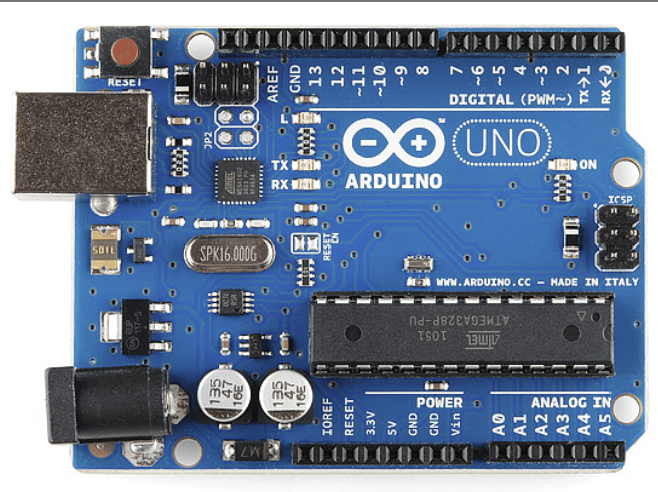
- Arduino Uno Board
- Breadboards
- Potentiometer
- IMU Chip
- Arduino IDE C++
- Matlab
- Onshape CAD
- Solidworks CAD
- Mini SG90 Servo Motor


FES is Functional Electrical Stimulation.
After a person has had a spinal cord injury, their neural pathway is severed, but there are still muscles and tendons in their body. In some cases, these muscles are still capable of functioning if the muscle is stimulated. The brain continues to send signals to the limbs, but the muscles don’t receive these signals. These brain signals that are associated with a desired movement are measured and used to control an electrode grid that stimulates the muscles to move.
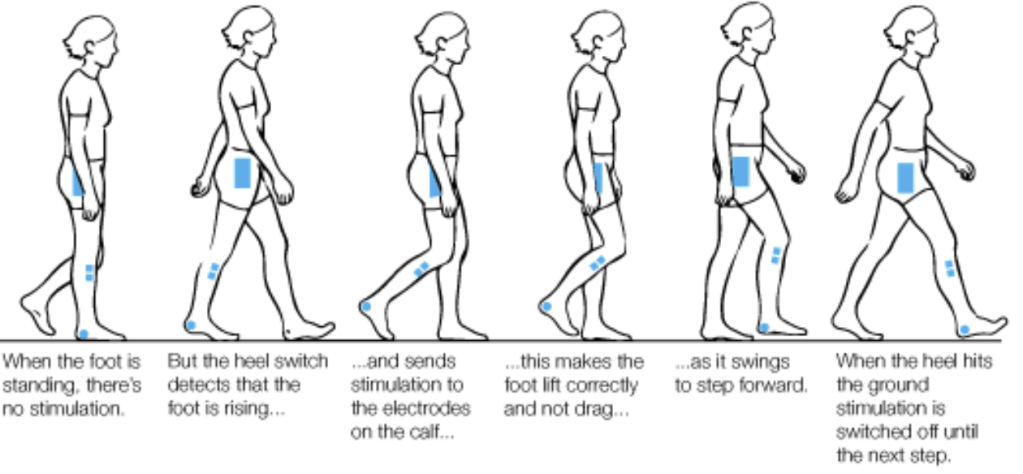
FES has helped people who have a spinal cord injury move their hands to grasp and release objects, hold a fork to eat, and exercise.
- An IMU(Inertial Measurement Unit) is a small electronic sensor chip that combines accelerometers (measuring acceleration and tilt) and gyroscopes (measuring rotational movement and orientation).
- In our project, the IMU tracks subtle head movements in real-time.
- It translates physical tilting and turning into digital motion data, allowing a quadriplegic user to smoothly navigate the computer cursor across the screen using only neck movement.
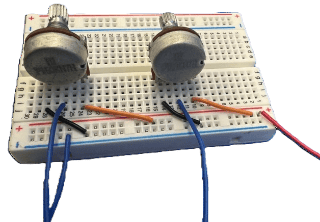
A potentiometer (often called a “pot”) is a three-terminal electronic component that acts as an adjustable resistor. Think of it like a volume knob or a dimmer switch; as you twist the dial or slide the lever, it manually changes the electrical resistance and alters the voltage signal sent out.
They serve as manual controls, allowing us to easily adjust sensitivity thresholds, fine-tune calibration, or test variable inputs during live prototyping.
A servo motor is a specialized type of electric motor designed for precise control over location, speed, and acceleration. Unlike a standard electric motor that just spins continuously when plugged into power, a servo motor can rotate to an exact, specific angle, like 90 or 34.234 degrees, and hold that position securely.
- Inside the servo, a built-in sensor (like a potentiometer) tracks the exact position of the motor shaft.
- The internal circuit constantly checks the current position against the target position commanded by your microcontroller (like our Arduino), adjusting power instantly to make sure it hits and stays at the exact right spot.
Noise
We wanted to make sure this would work smoothly in many environments. Many people in need of such a product are also in need of many other medical devices. These devices are capable of creating signal interference, which could cause accuracy and speed issues with our design.
As a result, we chose to look into filtering the ‘noise’.
This is where we brought in MATLAB
1. What is Noise and How Does It Interfere with Transmission?
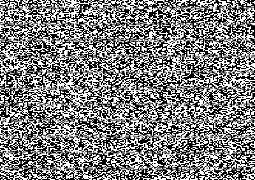
- In engineering and technology, noise refers to any unwanted, random disturbances or electrical interference that corrupts a true signal during transmission.
- Minor sensor errors, signal delays, or electrical fluctuations can cause tiny, unwanted tremors, resulting in an erratic, jumpy cursor on the screen
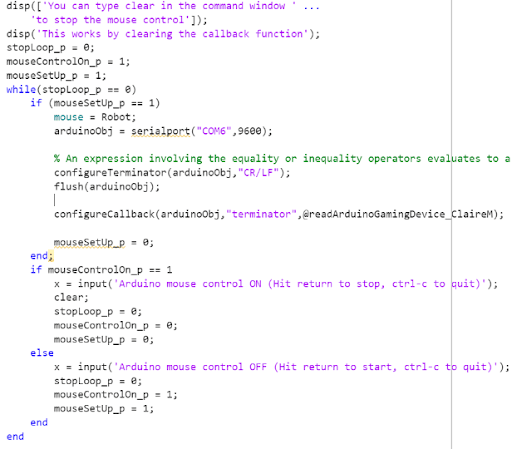
2. How the Filter Works: Outlier Rejection
- To stabilize the incoming positioning data, our MATLAB script continuously compares new data points against historical inputs.
- Any sudden, unrealistic coordinate jumps or spikes (extremis points) are automatically identified and ignored.
- Sudden sensor glitches or external electromagnetic noise are removed before they ever reach the screen.
3. The Impact: Smooth Cursor Control
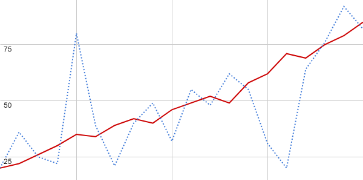
- By filtering out extreme, high-frequency fluctuations, the cursor moves smoothly across the screen without erratic shaking.
- For individuals using neck-movement controls, this produces an organic, highly responsive, and reliable interface.
Accuracy Graph without Filter Code
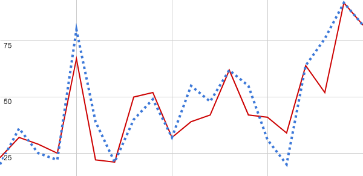
Accuracy Graph with Filter Code

CAD Models
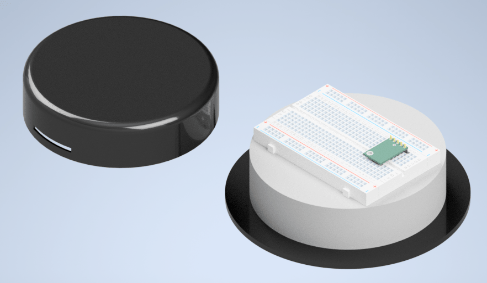
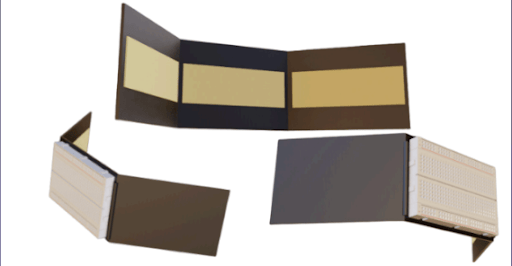
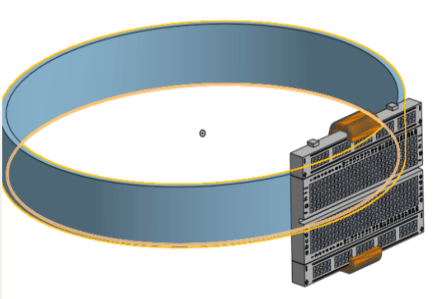
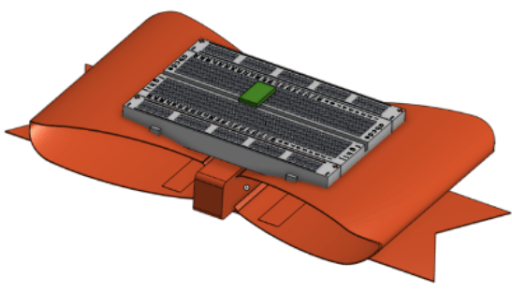
We realized that medical equipment isn’t the most glamorous thing, so we decided to look at something that can easily hide wires. That was the bow design. While these CAD models show breadboards, had we permanently soldered our connections, a bow with many layers could hide them well. If we were to change the color of the bow to match the color of the IMU and tuck it inside the center of the bow, it would be completely hidden.
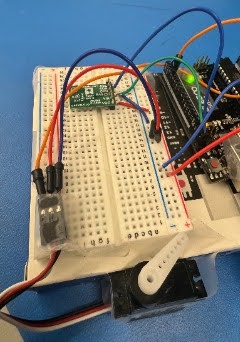
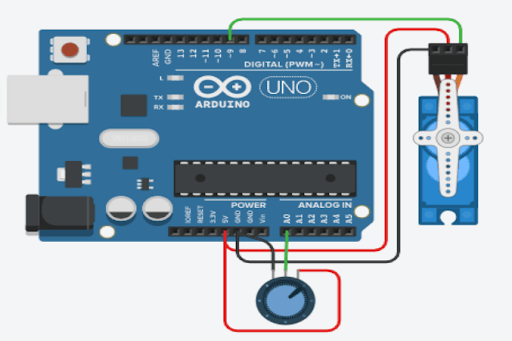
Wiring & Working Result
Credits
I did not work on this project alone! The following high schoolers were my teammates:
Kopal Tare, Leah Liang, Melody Wang, Matteo Hernandez, Alexandre Dauche, William Chen, Derrick Chen, Jay Chen, Tyler Kim, and Caitlin Callagan
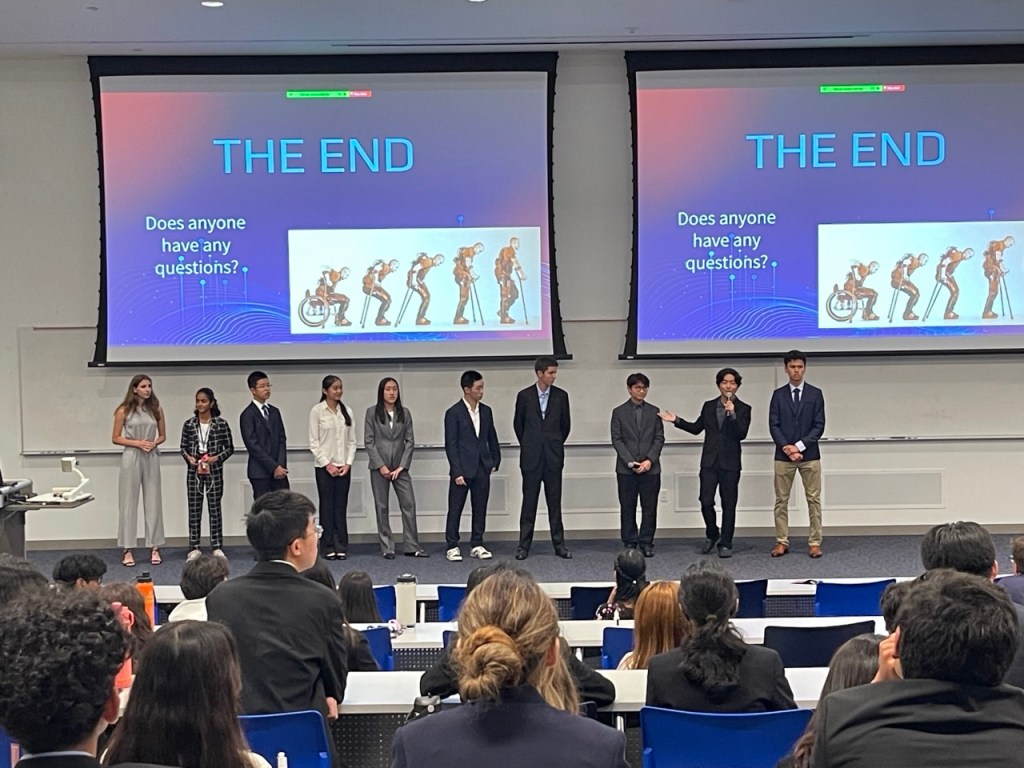
Presenting
Pre-Pitch Prep

Post-Pitch Update

Mid-Presentation
Beyond
We also had a variety of social events aimed at building a client pipeline for the product and fundraising. What good is a product if no one knows it exists?
Taco Social

Spicy Ramen Social